
24/7 Emergency Phone
24/7 Emergency Phone
A crossbite is a type of bite misalignment where some upper teeth sit inside the lower teeth when the mouth is closed, instead of slightly outside them as in a normal bite. Many people are unaware they have a crossbite until a dentist identifies it during an examination. However, untreated crossbites can lead to long-term problems affecting the teeth, gums, and jaw joints.
Modern orthodontics offers effective solutions. In many cases, clear aligners can gradually correct crossbites without traditional metal braces. This guide explains what a crossbite is, why it occurs, how aligners correct it, and what patients can expect during treatment at Cayo Dental Hospital.
In a healthy bite, the upper teeth sit slightly outside the lower teeth when biting. This arrangement allows the teeth to meet correctly and distribute chewing forces evenly.
A crossbite occurs when this relationship is reversed for some teeth.
Depending on the location, crossbites may involve:
Crossbites can affect both the appearance of the smile and the function of the bite.
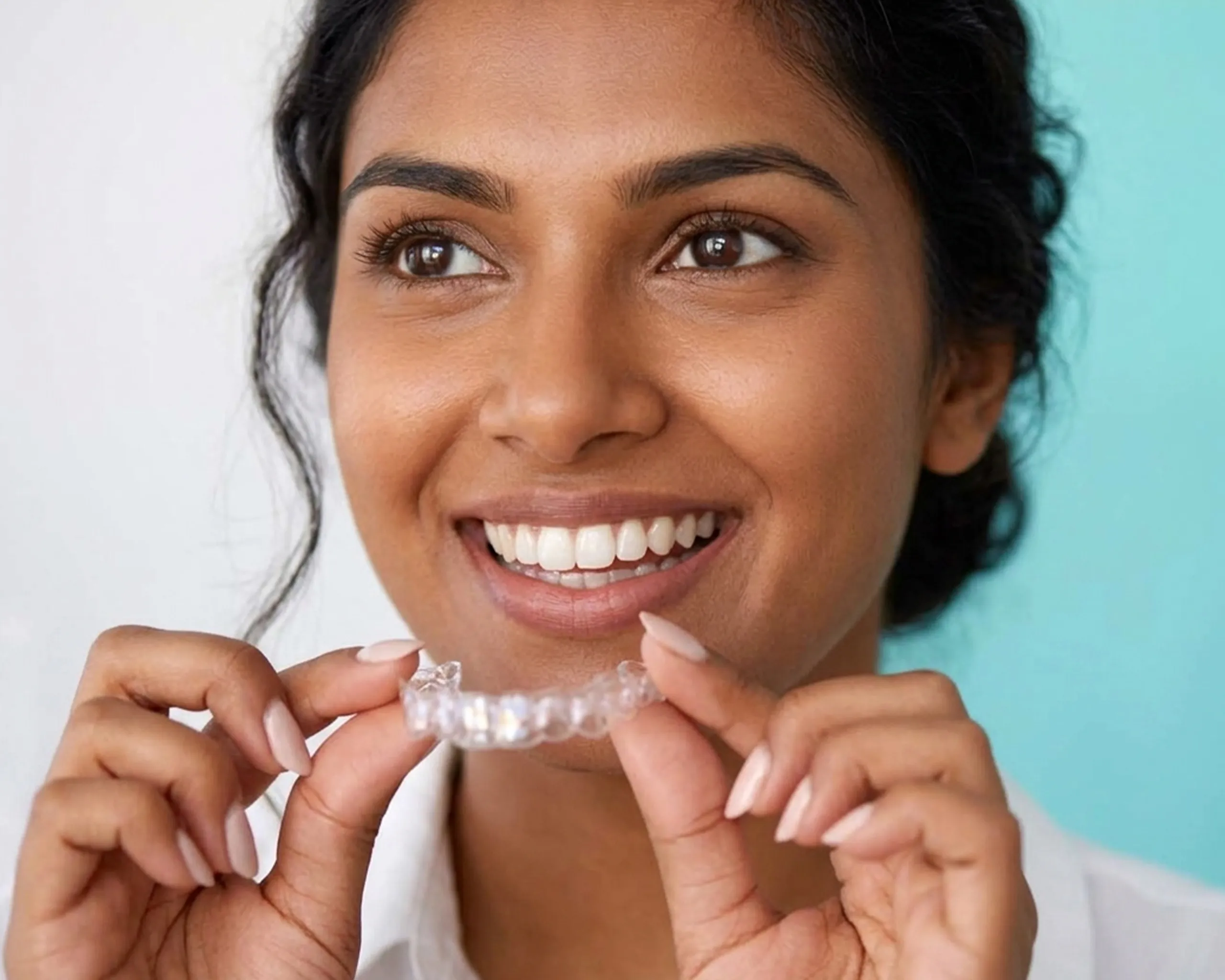
Dentists classify crossbites based on the location of the affected teeth.
Anterior crossbite
An anterior crossbite occurs when one or more upper front teeth sit behind the lower front teeth.
This may cause the smile to appear uneven and can affect speech or biting.
Posterior crossbite
A posterior crossbite affects the back teeth. In this case, the upper back teeth bite inside the lower back teeth.
Posterior crossbites may occur on one side or both sides of the mouth.
Both types of crossbite may require orthodontic correction to restore proper bite function.
Several factors may contribute to the development of a crossbite.
Genetics
Jaw size and tooth alignment often run in families. Some people inherit jaw shapes that increase the likelihood of crossbite.
Childhood habits
Habits such as thumb sucking or prolonged pacifier use during childhood can influence how the teeth and jaws develop.
Delayed tooth eruption
Sometimes permanent teeth erupt later than expected. Neighboring teeth may shift into the space, altering the alignment of the dental arch.
Narrow upper jaw
A narrow upper jaw can cause the upper teeth to fit inside the lower teeth when biting.
A professional evaluation at Cayo Dental Hospital helps identify the exact cause of the crossbite.
A crossbite may appear to be only a cosmetic issue, but untreated bite problems can affect oral health and jaw development.
When a crossbite occurs on one side of the mouth, the jaw may shift slightly during chewing.
Over time, this uneven movement can influence jaw growth and lead to facial asymmetry, where one side of the face develops differently from the other.
Early correction can help restore balanced jaw function.
Improper bite alignment may place excessive pressure on certain teeth.
Possible consequences include:
Correcting a crossbite helps protect both the teeth and supporting tissues.
Yes, clear aligners can correct many mild to moderate crossbite cases.
Because aligner treatment is digitally planned, dentists can precisely control tooth movement and guide the bite into proper alignment.
Clear aligners gradually move teeth through a process called bone remodeling, where the bone surrounding the teeth slowly reshapes as the teeth move.
To correct a crossbite, aligners may:
These movements occur gradually using a series of custom-made aligner trays.
Both braces and aligners can treat crossbite problems. However, clear aligners offer several advantages. Clear aligners are:
Traditional braces may still be recommended for severe skeletal crossbites, but many patients can achieve excellent results with aligners.
Successful orthodontic treatment requires accurate diagnosis and careful digital planning.
At Cayo Dental Hospital, aligner treatment is designed using advanced digital dentistry technologies.
Cayo Dental uses 3D intraoral scanning technology to capture a detailed digital model of the patient’s teeth and bite.
These scans allow dentists to analyze:
Digital scans provide highly accurate data for treatment planning.
Advanced orthodontic software allows dentists to simulate tooth movement before treatment begins.
Patients can often see a visual preview of how their bite and smile will improve.
This technology helps determine the most efficient path for correcting the crossbite.
Clear aligner trays are fabricated using medical-grade orthodontic materials.
These materials ensure that aligners:
High-quality materials improve treatment accuracy and patient comfort.
Orthodontic care should be convenient and accessible.
To improve accessibility, Cayo Dental offers remote scanning through distance centers.
Distance centers allow patients to begin treatment closer to their home.
Patients can:
This system helps patients across Sri Lanka access orthodontic care more easily.
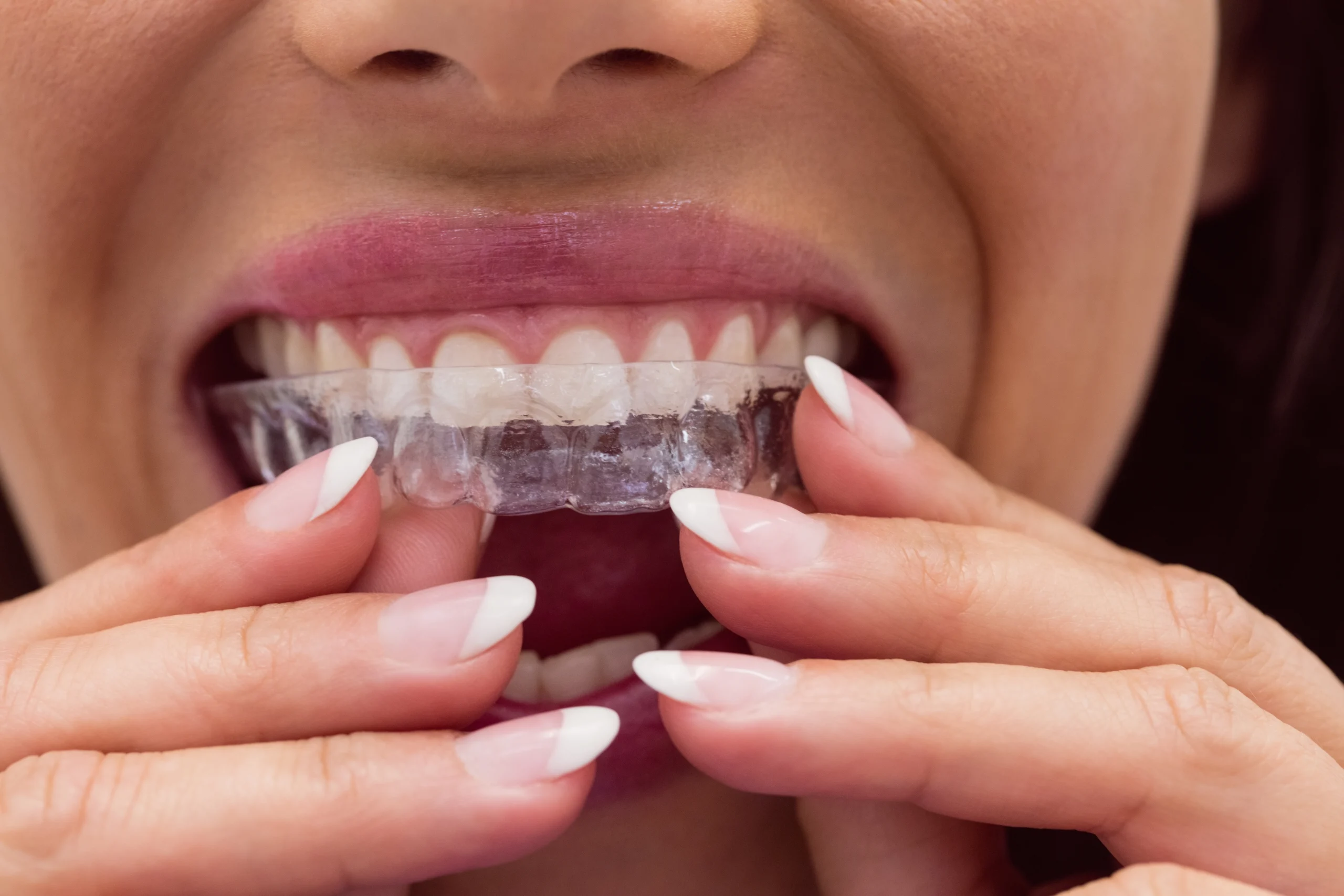
Correcting a crossbite can improve both the appearance of your smile and the health of your bite.
Clear aligners provide a modern and comfortable orthodontic solution for many patients.
Patients can easily schedule consultations and confirm appointments through secure payhere integration at Cayo Dental Hospital.
This streamlined process makes starting orthodontic treatment simple and convenient.
Clinical observations from Cayo Dental Hospital show predictable outcomes in clear aligner treatment.
| Clinical Indicator | Observed Value |
|---|---|
| Aligner cases analysed | ~642 patients |
| Average patient age | ~29.8 years |
| Average aligners per arch | ~22 trays |
| Average total aligners per case | ~38 trays |
| Average treatment duration | ~10.6 months |
| Cases requiring refinement aligners | ~54% |
| Treatment completion rate | ~93% |
These results align with international orthodontic studies showing that clear aligners can effectively correct many bite problems when treatment is carefully planned and patients follow the recommended wear schedule.
WhatsApp us