
24/7 Emergency Phone
24/7 Emergency Phone
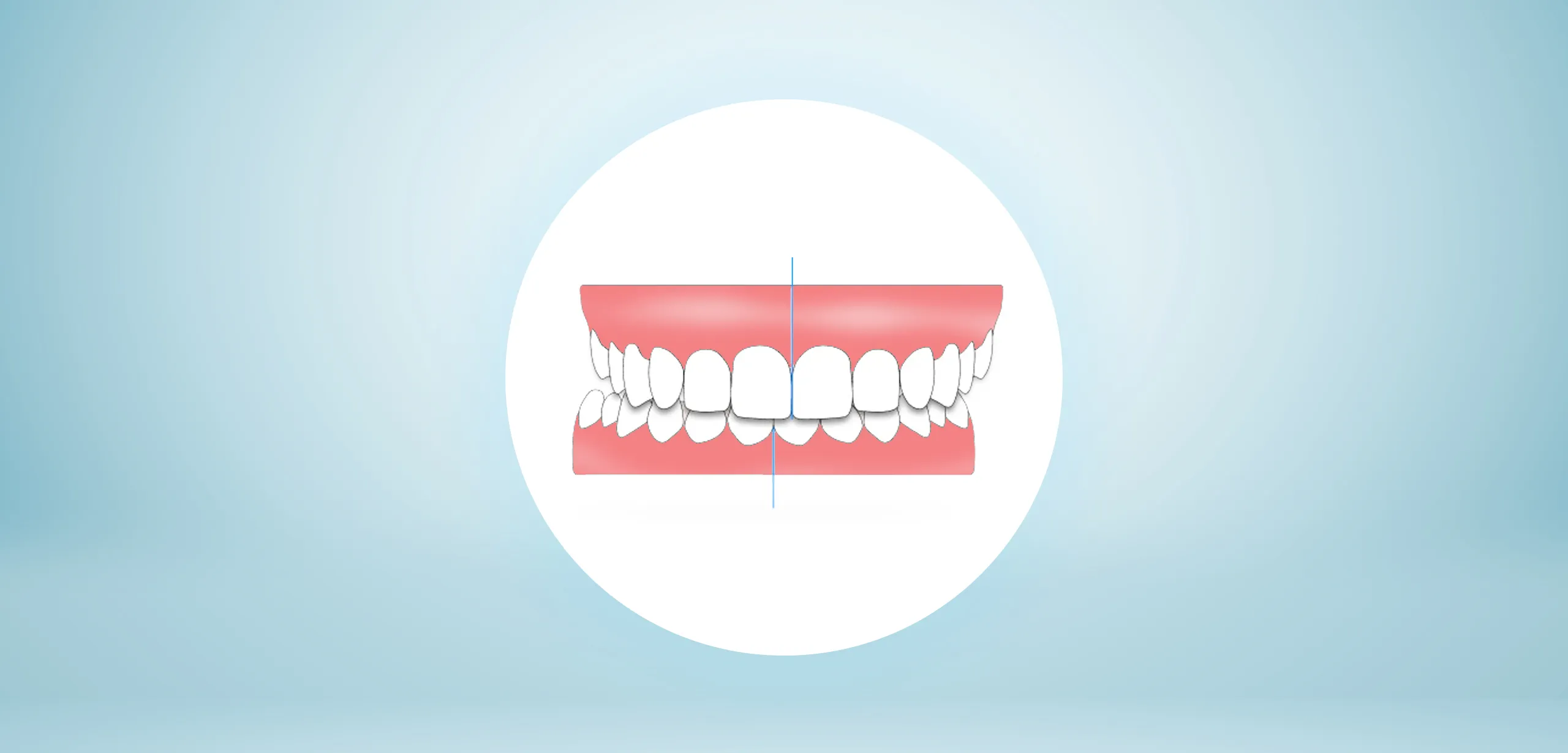
A dental midline shift is a common alignment issue where the center line of the upper teeth does not align with the center line of the lower teeth or the face. When the midline is properly aligned, the line between the two front teeth should ideally match the center of the nose and chin.
When this alignment shifts to one side, the smile may appear slightly uneven. Some people notice this asymmetry when looking at photos or in mirrors, while others discover it during an orthodontic consultation.
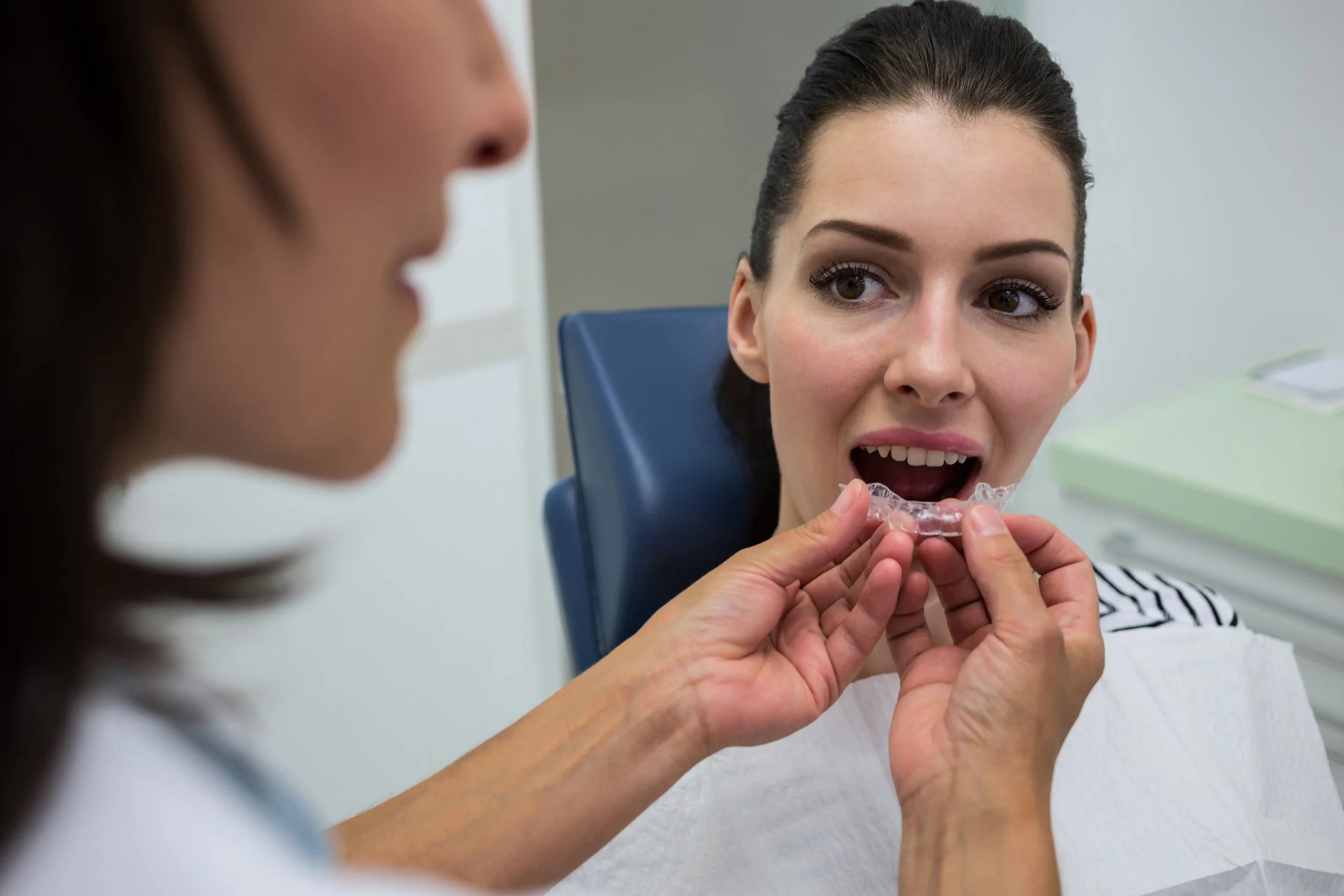
Modern orthodontic treatments such as clear aligners can often correct dental midline shifts by gradually repositioning teeth to restore balance in the smile.
This guide explains what a midline shift is, why it occurs, how aligners correct it, and what patients can expect during treatment at Cayo Dental Hospital.
The dental midline refers to the imaginary vertical line that runs between the two upper front teeth and the two lower front teeth.
In a balanced smile:
A midline shift occurs when one of these lines moves slightly to the left or right.
Some midline shifts are very minor and may not affect dental health. However, larger shifts may affect both smile aesthetics and bite balance.
A simple way to check your dental midline is to stand in front of a mirror and smile naturally.
Look at the vertical line between your two upper front teeth.
Then observe whether that line:
If these lines do not match, a midline deviation may be present.
A professional evaluation at Cayo Dental Hospital can accurately measure the extent of the shift.
Several factors can contribute to midline deviation.
Missing teeth
When a tooth is lost and not replaced, neighboring teeth may shift into the empty space. This movement can gradually move the dental midline.
Jaw asymmetry
If the upper and lower jaws are not perfectly symmetrical, the teeth may follow the jaw structure and appear slightly off-center.
Crowding
When teeth are crowded or overlapping, they may shift sideways, moving the midline away from the center.
Early tooth loss during childhood
Losing baby teeth too early or too late can sometimes affect how permanent teeth erupt.
Understanding the underlying cause is essential before starting orthodontic treatment.
A minor midline shift may not cause immediate problems, but larger deviations can affect the way the teeth function during chewing.
When the teeth are not properly centered, bite forces may become uneven.
This imbalance can sometimes lead to:
The jaw joints, known as the temporomandibular joints (TMJ), may experience additional stress when the bite is misaligned.
If more chewing pressure is placed on one side of the mouth, certain teeth may wear faster. Over time, this may cause:
Correcting the midline helps distribute bite forces more evenly.
Yes, clear aligners can correct many dental midline shifts, especially when the problem is caused by tooth position rather than jaw structure.
Because aligner treatment is digitally planned, dentists can guide teeth step-by-step toward a more balanced alignment.
Clear aligners work by applying gentle and controlled pressure to the teeth.
Each aligner tray is slightly different from the previous one, guiding the teeth gradually toward their desired positions.
To correct a midline shift, aligners may:
These movements occur through bone remodeling, where the bone supporting the teeth slowly reshapes as the teeth move.
Both braces and aligners can correct midline problems.
However, clear aligners offer several advantages.
Clear aligners are:
Traditional braces may still be recommended for very complex midline deviations, particularly when the jaw structure is involved.
Successful orthodontic treatment requires accurate diagnosis and digital planning.
At Cayo Dental Hospital, deep bite treatment is planned using advanced digital dentistry technology.
Cayo Dental uses 3D intraoral scanning technology to capture a detailed digital model of the patient’s teeth and bite.
These scans allow dentists to evaluate:
Digital scans provide highly accurate information for treatment planning.
Advanced orthodontic planning software allows dentists to simulate the entire treatment process.
Patients can often see a digital preview of how their smile will look after treatment.
This visualization helps determine the most efficient path for midline correction.
Clear aligners are fabricated using high-quality orthodontic materials designed for comfort and precision.
These materials ensure that aligners:
High-quality aligners improve both treatment predictability and patient comfort.
Orthodontic treatment should be accessible and convenient.
To improve accessibility, Cayo Dental offers remote scanning through distance centers.
Distance centers allow patients to:
This system helps patients across Sri Lanka access orthodontic care more easily.
Correcting a midline shift can improve both the appearance of the smile and the balance of the bite.
Clear aligners provide a modern and comfortable orthodontic solution for many patients.
Patients can easily schedule consultations and confirm appointments through secure payhere integration at Cayo Dental Hospital.
This streamlined system allows patients to begin orthodontic treatment quickly and conveniently.
Clinical observations from Cayo Dental Hospital show consistent outcomes in clear aligner treatment.
| Clinical Indicator | Observed Value |
|---|---|
| Aligner cases analysed | ~642 patients |
| Average patient age | ~29.8 years |
| Average aligners per arch | ~22 trays |
| Average total aligners per case | ~38 trays |
| Average treatment duration | ~10.6 months |
| Cases requiring refinement aligners | ~54% |
| Treatment completion rate | ~93% |
These results align with international orthodontic studies showing that clear aligners can effectively correct many dental alignment problems when treatment is carefully planned and patients follow the recommended wear schedule.
WhatsApp us