
24/7 Emergency Phone
24/7 Emergency Phone
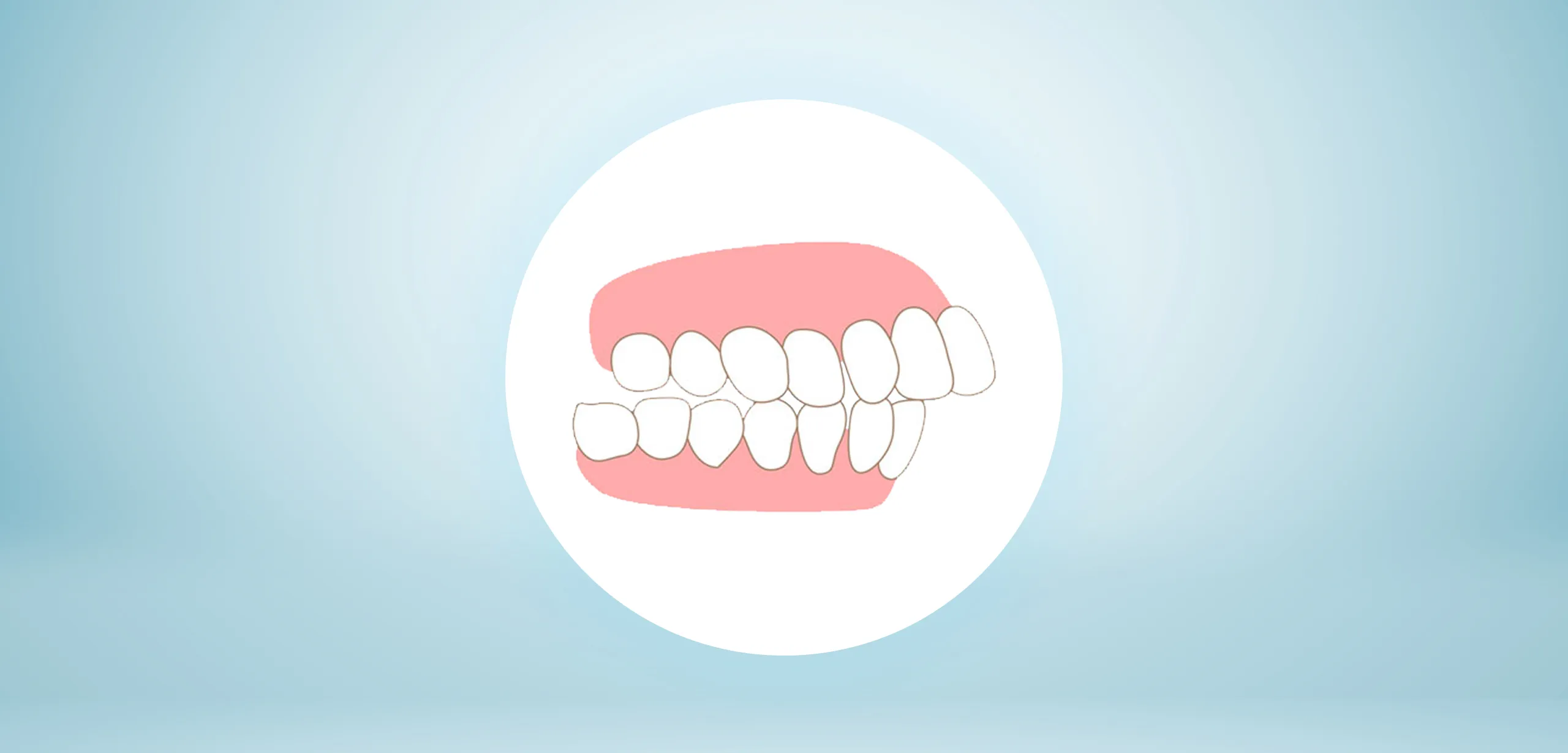
Protruding teeth, commonly called “buck teeth” or flared teeth, are one of the most noticeable dental alignment problems. In this condition, the upper front teeth extend too far forward, making them more visible when smiling or speaking.
Many people with protruding teeth feel self-conscious about their appearance. In addition to cosmetic concerns, flared teeth can also affect lip closure, bite function, and long-term tooth health.
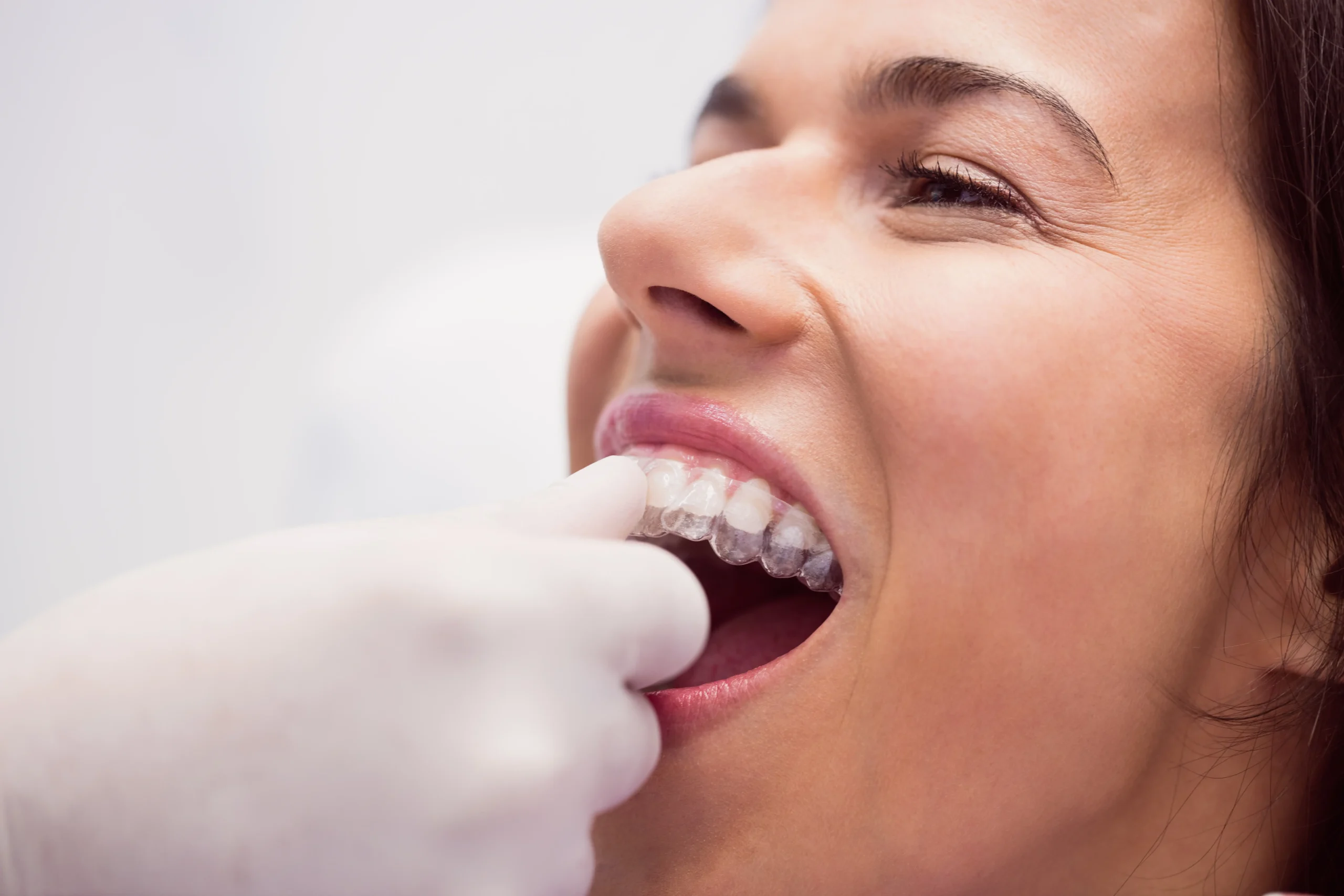
Today, modern orthodontics offers a discreet solution. Clear aligners can gradually reposition protruding teeth and bring them into a more natural alignment without the need for traditional metal braces.
This guide explains why teeth protrude, how clear aligners correct them, and what patients can expect during treatment at Cayo Dental Hospital.
Protruding teeth occur when the upper front teeth extend forward beyond their normal position.
In a balanced bite, the upper teeth sit slightly in front of the lower teeth. However, when the upper teeth move too far forward, the smile may appear uneven or overly prominent.
Protruding teeth can vary in severity:
Dentists evaluate protrusion by examining the angle and position of the front teeth relative to the jaw and lips.
Several factors can contribute to protruding teeth.
Genetics
The shape and size of the jaws and teeth are often inherited. Some individuals naturally have a smaller lower jaw or larger upper teeth, which can cause the front teeth to appear more prominent.
Thumb sucking during childhood
Prolonged thumb sucking can push the front teeth forward over time, gradually creating protrusion.
Tongue thrusting
Some people press their tongue against their front teeth when swallowing or speaking. This repeated pressure may slowly push the teeth forward.
Jaw growth patterns
Differences in upper and lower jaw growth can also contribute to protruding teeth.
A detailed evaluation at Cayo Dental Hospital helps identify the exact cause before treatment begins.
Many patients confuse protruding teeth with an overbite, but these conditions are different. Protruding teeth refer to the forward angle or position of the upper front teeth. Overbite refers to the vertical overlap between the upper and lower teeth. It is possible for someone to have protruding teeth without a large overbite, or vice versa. Understanding this difference helps dentists determine the most effective treatment approach.
Protruding teeth may increase the risk of certain dental problems if left untreated.
Because protruding teeth extend forward, they are more exposed during accidental impacts.
This can increase the risk of:
Correcting protrusion can reduce this risk by positioning the teeth in a more protected alignment.
In some cases, protruding teeth prevent the lips from closing comfortably.
This may cause:
Bringing the teeth into proper alignment can help improve lip closure and oral comfort.
Yes. Clear aligners are commonly used to correct protruding or flared teeth.
Because aligner treatment is digitally planned, dentists can carefully control the movement of the front teeth to guide them backward into a more balanced position.
Clear aligners work by applying gentle, controlled pressure on specific teeth.
Each aligner tray is slightly different from the previous one. Over time, the trays guide the teeth step-by-step toward their desired position.
To correct protruding teeth, aligners may:
This movement occurs through a biological process known as bone remodeling, where bone slowly reshapes around the moving teeth.
Both braces and aligners can correct protruding teeth. However, clear aligners provide several advantages. Clear aligners are:
Traditional braces may still be recommended for very severe protrusion cases, but many patients achieve excellent results with aligners.
Successful orthodontic treatment requires precise diagnosis and careful digital planning.
At Cayo Dental Hospital, clear aligner treatment is designed using advanced digital dentistry technology.
Cayo Dental uses 3D intraoral scanning technology to create a detailed digital model of the patient’s teeth.
These scans allow dentists to evaluate:
This technology provides extremely accurate diagnostic information.
Advanced orthodontic planning software allows dentists to simulate how the teeth will move during treatment.
Patients can often see a digital preview of their future smile before treatment begins.
This simulation helps determine the safest and most efficient way to reposition protruding teeth.
Clear aligner trays are fabricated using medical-grade materials designed for orthodontic treatment.
These materials ensure that aligners:
High-quality materials improve treatment predictability.
Orthodontic treatment should be accessible and convenient.
To improve accessibility, Cayo Dental offers digital scanning through distance centers.
Distance centers allow patients to:
This system makes orthodontic care easier for patients across Sri Lanka.
Correcting protruding teeth can significantly improve both smile appearance and bite function.
Clear aligners provide a modern, comfortable, and discreet orthodontic solution.
Patients can easily schedule consultations and confirm appointments through secure payhere integration at Cayo Dental Hospital.
This streamlined system allows patients to begin treatment quickly and conveniently.
Clinical observations from Cayo Dental Hospital show predictable outcomes in clear aligner treatment.
| Clinical Indicator | Observed Value |
|---|---|
| Aligner cases analysed | ~642 patients |
| Average patient age | ~29.8 years |
| Average aligners per arch | ~22 trays |
| Average total aligners per case | ~38 trays |
| Average treatment duration | ~10.6 months |
| Cases requiring refinement aligners | ~54% |
| Treatment completion rate | ~93% |
These outcomes align with international orthodontic studies showing that clear aligners can effectively correct protruding teeth when treatment is carefully planned and patients follow the recommended wear schedule.
WhatsApp us