Tooth Removal in Sri Lanka
SKU: N/A
Procedure, Recovery Time & Aftercare
If you are searching online for tooth extraction in Sri Lanka, it is important to understand that modern dentistry does not consider tooth removal the first solution for most dental problems.
At Cayo Dental Hospital, the clinical philosophy focuses strongly on preserving natural teeth whenever possible. Treatments such as root canal therapy, periodontal care, and dental crowns are often recommended before considering tooth extraction.
Because of this approach, patients who are simply looking for a quick tooth removal may find that Cayo Dental first evaluates whether the tooth can still be saved.
Tooth extraction is therefore recommended only when a tooth is severely damaged or cannot be restored safely.
Pain Free Tooth Removal
When extraction becomes necessary, the goal is not simply to remove the tooth quickly but to protect the surrounding bone and gum tissue.
Dentists at Cayo Dental frequently use atraumatic extraction techniques, which focus on minimizing damage to surrounding structures.
This technique typically involves:
- loosening the tooth carefully before removal
- using specialized instruments to preserve bone
- applying controlled surgical force
Preserving bone is important because it supports future dental implant placement if the patient chooses to replace the missing tooth.
Many patients searching for painless tooth extraction are actually referring to this type of gentle surgical approach.
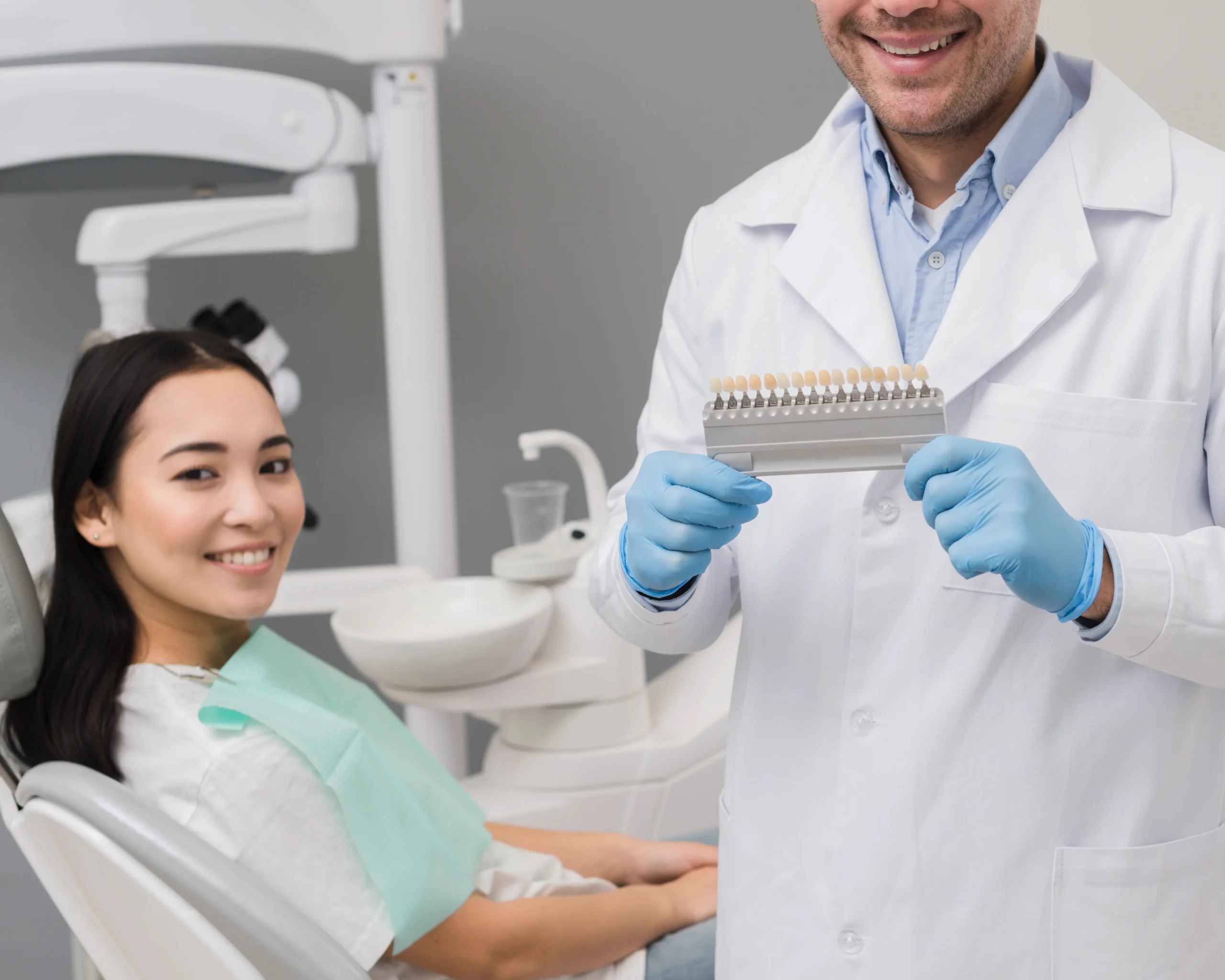
Painless Extraction Approach at Cayo Dental
| Feature | Conventional Tooth Removal | Cayo Dental Atraumatic Approach |
|---|---|---|
| Primary goal | Fast removal | Bone and tissue preservation |
| Technique | Direct force | Controlled loosening |
| Instruments | Standard extraction tools | Specialized atraumatic instruments |
| Implant readiness | Not always considered | Bone preserved when possible |
HowTooth Extraction Is Performed
Tooth extraction, sometimes referred to as tooth removal, is usually performed under local anesthesia.
1
Clinical Examination
The dentist evaluates the tooth and surrounding tissues. Dental X-rays may be used to assess root structure and bone support.
2
Local Anesthesia
A local anesthetic is administered to numb the area so the patient does not feel pain during the procedure.
3
Loosening the Tooth
Specialized instruments are used to gently loosen the tooth from the surrounding bone.
4
Tooth Removal
Once loosened, the tooth is carefully removed from the socket.
5
Bleeding Control
A gauze pad is placed over the extraction site to help a blood clot form, which is essential for healing.
Most patients feel pressure rather than pain during the procedure.
Recovery After Tooth Extraction
Healing after tooth extraction occurs gradually in stages.
First 24 Hours
A blood clot forms in the extraction socket, protecting the bone and nerves.
Days 2–3
Mild swelling or soreness may occur as the body’s natural healing process begins.
One Week
The gum tissue starts closing over the extraction site.
Several Weeks
The bone gradually remodels as healing continues.
Initial recovery typically takes 7–10 days, although complete bone healing may take several months.
Why Day 3 Sometimes Feels Worse
Many patients notice that day three after tooth extraction feels slightly more uncomfortable than the first day.
This occurs because the body’s natural inflammatory healing response usually peaks around 48–72 hours after surgery.
During this stage patients may experience:
- swelling
- mild pain
- jaw stiffness
These symptoms typically improve after the third day.
If pain becomes severe or worsens instead of improving, the dentist should be contacted to rule out complications such as dry socket.
Instructions After Tooth Extraction
Following proper instructions after tooth removal helps ensure faster healing.
What To Do After Tooth Extraction
- Bite gently on the gauze provided to control bleeding
- Take prescribed medications as directed
- Apply a cold compress if swelling occurs
- Eat soft foods for the first few days
- Maintain oral hygiene while avoiding the extraction site
Most patients rWhat To Avoid After Tooth Extractioneport:
- Do not smoke for at least 48–72 hours
- Avoid drinking through a straw
- Do not rinse vigorously during the first 24 hours
- Avoid hard or crunchy foods
- Avoid touching the extraction site with fingers or tongue
Smoking significantly increases the risk of dry socket and delayed healing, so it should be avoided during the recovery period.
Food Suggestions During Healing: The Sri Lankan Recovery Food Guide
Choosing the right foods is essential for protecting the blood clot and ensuring your gums heal quickly. In Sri Lanka, many of our traditional staples are perfect for post-extraction care—if prepared correctly.
The First 24–48 Hours (Ultra-Soft & Cool)
During the first two days, avoid heat and anything that requires chewing.
- Curd and Kithul Treacle: The cool temperature of the curd helps soothe the extraction site and provides excellent protein.
- Lukewarm Kanji (Rice Porridge): Ensure it is blended or very well-cooked so there are no hard rice grains. Avoid adding spicy lunu miris for the first 48 hours.
- Mashed Avocado: A nutrient-dense, soft option that requires zero chewing.
- Fruit Juices (No Straws!): Fresh Woodapple or Papaya juice is great, but never use a straw, as the suction can cause a “dry socket.”
Days 3–7 (Soft & Nutritious)
As the swelling subsides (after the Day 3 peak), you can introduce more texture.
- Mashed Dhal (Parippu): Cooked until very soft. This is an excellent source of protein for tissue repair.
- Soft-Boiled Eggs or Scrambled Eggs: Easy to eat and high in healing nutrients.
- Mashed Polos (Young Jackfruit): Ensure it is cooked until it has a “melt-in-the-mouth” consistency.
- Soft Fish (Malu): Steamed or lightly curried white fish (like Thalapath), flaked into tiny pieces. Avoid fried fish, which can be sharp and poke the wound.
- Boiled & Mashed Sweet Potato or Cassava (Manyokka): A great source of energy, but ensure they are mashed completely with a little coconut milk for smoothness.
Local Foods to Avoid (For at least 7 Days)
- Spicy Chilies (Nai Miris / Kochchi): Capsaicin can irritate the raw surgical site and cause significant pain.
- Hard Rice (Kekulu): Grains can get trapped in the extraction socket and cause infection.
- Kottu or Hoppers: These are often too chewy or have crispy edges that can scratch the healing gums.
- Crunchy Bites or Murukku: Sharp edges are the #1 cause of post-op bleeding in the first week.
- Ceylon Tea Tip: Wait until your tea is lukewarm. High heat can dissolve the blood clot necessary for healing.
Post-Extraction Support for Patients
Healing after tooth extraction is usually straightforward, but patients may occasionally have questions during recovery.
To support patients during healing, Cayo Dental provides post-treatment communication and follow-up guidance.
Patients receive:
written aftercare instructions
Medication guidance
Information about normal healing symptoms
If patients experience concerns such as swelling, bleeding, or persistent pain, they may contact the clinic for advice or return for review if necessary.
What Happens If a Tooth Must Be Removed?
When a tooth is extracted, dentists may recommend replacing it to restore chewing function and maintain proper alignment.
One of the most reliable solutions is a dental implant, which acts as an artificial tooth root placed in the jawbone.
Dental implants help:
restore chewing ability
maintain jawbone structure
prevent shifting of nearby teeth
Patients who undergo tooth removal may therefore be evaluated for implant placement once healing is complete.
Frequently Asked Questions
Is tooth extraction painful?
Tooth extraction is performed under local anesthesia, which numbs the treatment area. Most patients feel pressure during the procedure but not pain.
How long does it take to recover from an extracted tooth?
Initial healing usually occurs within 7–10 days, although full bone healing may take several months.
Why is day 3 the worst after tooth extraction?
Day three may feel more uncomfortable because the body’s inflammatory response peaks around 48–72 hours after the procedure.
What are the do’s and don’ts after tooth extraction?
Patients should follow instructions such as eating soft foods, avoiding smoking or straws, and taking prescribed medications to protect the healing blood clot.
Is Cayo Dental Suitable for My Tooth Removal?
If you are specifically looking for a clinic that performs routine tooth extraction in Sri Lanka, Cayo Dental may not always be the first choice.
The clinical philosophy at the clinic focuses strongly on saving natural teeth whenever possible.
However, when tooth removal becomes necessary for health or safety reasons, the procedure is performed using careful surgical techniques and structured postoperative care.
This patient-centered approach ensures that extraction is recommended only when it truly benefits the patient’s long-term oral health.
Cost of Tooth Extraction in Sri Lanka
The cost of tooth extraction can vary depending on the complexity of the procedure, the position of the tooth, and whether surgical techniques are required.
At Cayo Dental Hospital, extraction fees have evolved over time as clinical systems and patient care protocols have developed.
| Treatment | Approximate Fee |
|---|---|
| Simple tooth extraction | From LKR 5,000 |
Tooth Extraction Cases at Cayo Dental
The internal clinical registry at Cayo Dental provides insight into how frequently tooth removal is actually required.
From the beginning of service until 31 December 2025, the registry recorded:
| Procedure | Cases |
|---|---|
| Tooth extractions performed | 1,325 |
This number is relatively small compared with the large number of restorative dental treatments performed during the same period. The data reflects the clinic’s commitment to saving teeth whenever possible rather than routinely removing them.
Why Teeth Needed Extraction
Most extractions were performed only when the tooth was already severely compromised.
| Reason for Tooth Removal | Percentage |
|---|---|
| Severe periodontal disease (advanced gum disease) | 47% |
| Non-restorable decay or fractured teeth | 40% |
| Impacted wisdom teeth | 12.6% |
| Impacted canine teeth | 0.4% |
These findings show that nearly nine out of ten extractions occurred because the tooth had already lost its structural integrity due to disease or trauma.
Safety Outcomes from the Clinical Registry
Tooth extraction is generally a safe procedure when performed under appropriate clinical conditions.
The complication rate recorded at Cayo Dental was extremely low.
| Complication | Cases |
|---|---|
| Temporary inferior alveolar nerve paresthesia | 1 case |
| Dry socket | 1 case |
| Other complications | None reported |
The temporary nerve sensation change resolved completely within two weeks, and the dry socket case was successfully treated.
These outcomes highlight the importance of careful surgical technique and structured postoperative care.
Managing Patients with Medical Conditions
Dental extractions sometimes involve patients with underlying medical conditions that require additional precautions.
Among patients treated at Cayo Dental:
| Medical Factor | Percentage |
|---|---|
| Patients with diabetes or hypertension | 54% |
For these patients:
- blood pressure is assessed before treatment
- healing is monitored carefully in diabetic patients
- appropriate anesthetics are selected to avoid medical complications
This careful approach helps ensure that tooth removal can be performed safely even in medically complex patients.
Clinical Review
This article is based on data from the Cayo Dental Clinical Registry, which recorded 1,325 tooth extractions performed between the start of service and 31 December 2025.
The registry is maintained as part of Cayo Dental’s internal clinical audit and quality monitoring program.
Data last reviewed: January 2026.
Related Services

CayoDental
Cayo Dental Hospital is a comprehensive dental care provider based in Kandy, Sri Lanka, delivering structured, ethical, and evidence-based dental services under one roof.