
24/7 Emergency Phone
24/7 Emergency Phone
Clear aligners have become one of the most advanced orthodontic treatments available today. They allow patients to straighten their teeth using transparent, removable trays instead of visible metal braces.
However, one important question patients often ask is:
The answer depends on the type and severity of the orthodontic condition. While aligners are highly effective for many dental issues, there are certain limitations where alternative orthodontic treatments may be recommended.
This guide explains what clear aligners can fix, what they cannot fix, and how dentists determine the best treatment option for your smile.
Clear aligners are a powerful orthodontic tool, but they are not a universal solution for every dental problem.
Modern aligner systems work best when:
Advanced digital planning allows dentists to simulate tooth movement before treatment begins, which helps determine whether aligners will achieve the desired result.
At Cayo Dental Hospital, treatment planning always begins with a detailed diagnostic evaluation to ensure that aligners are suitable for the patient’s specific condition.
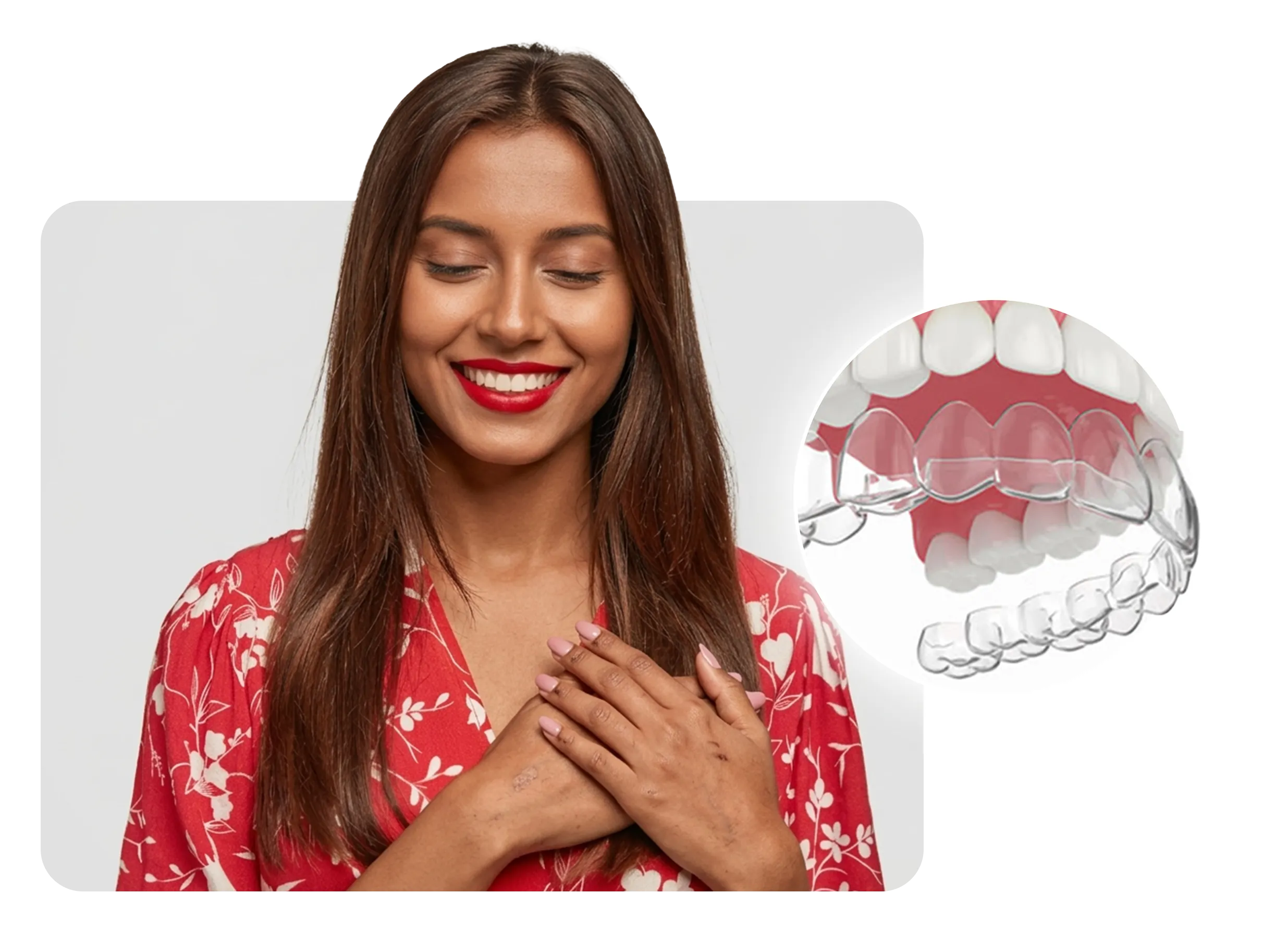
Clear aligners are highly effective for correcting several common orthodontic problems.
Crowding occurs when there is insufficient space in the jaw for teeth to align properly.
This can cause teeth to:
Clear aligners gradually move teeth into better positions, creating space and improving alignment.
Mild to moderate crowding is one of the most predictable orthodontic problems treated with aligners.
Gaps between teeth, also known as diastema, are another condition commonly corrected with aligners.
These spaces may occur due to:
Aligners gently guide teeth toward each other, closing the gaps while maintaining proper bite balance.
An overbite occurs when the upper teeth extend too far over the lower teeth.
An underbite occurs when the lower teeth extend in front of the upper teeth.
Clear aligners can correct many mild to moderate bite problems by repositioning the teeth gradually.
Improving bite alignment can enhance:
Certain bite problems affect how upper and lower teeth meet when the mouth closes.
A crossbite occurs when upper teeth bite inside the lower teeth.
An open bite occurs when the upper and lower teeth do not touch properly when biting.
Clear aligners can often correct these problems when the condition is not severe.
Despite their effectiveness, clear aligners do have limitations.
Understanding these limitations helps ensure that patients receive the most appropriate orthodontic treatment.
Some orthodontic problems originate from jaw structure rather than tooth position.
Examples include:
In such cases, orthodontic treatment alone may not be sufficient, and orthognathic surgery may be required.
Vertical tooth movement—where teeth must move significantly up or down—can be difficult with aligners.
These movements may include:
In some cases, braces or additional orthodontic appliances may be recommended.
A midline discrepancy occurs when the center of the upper teeth does not align with the center of the lower teeth.
Minor midline discrepancies can often be corrected with aligners, but large deviations may require more complex orthodontic treatment.
Certain teeth, particularly those with short clinical crowns, may be difficult to rotate using aligners alone.
Severe tooth rotations may require additional orthodontic techniques or traditional braces to achieve optimal results.
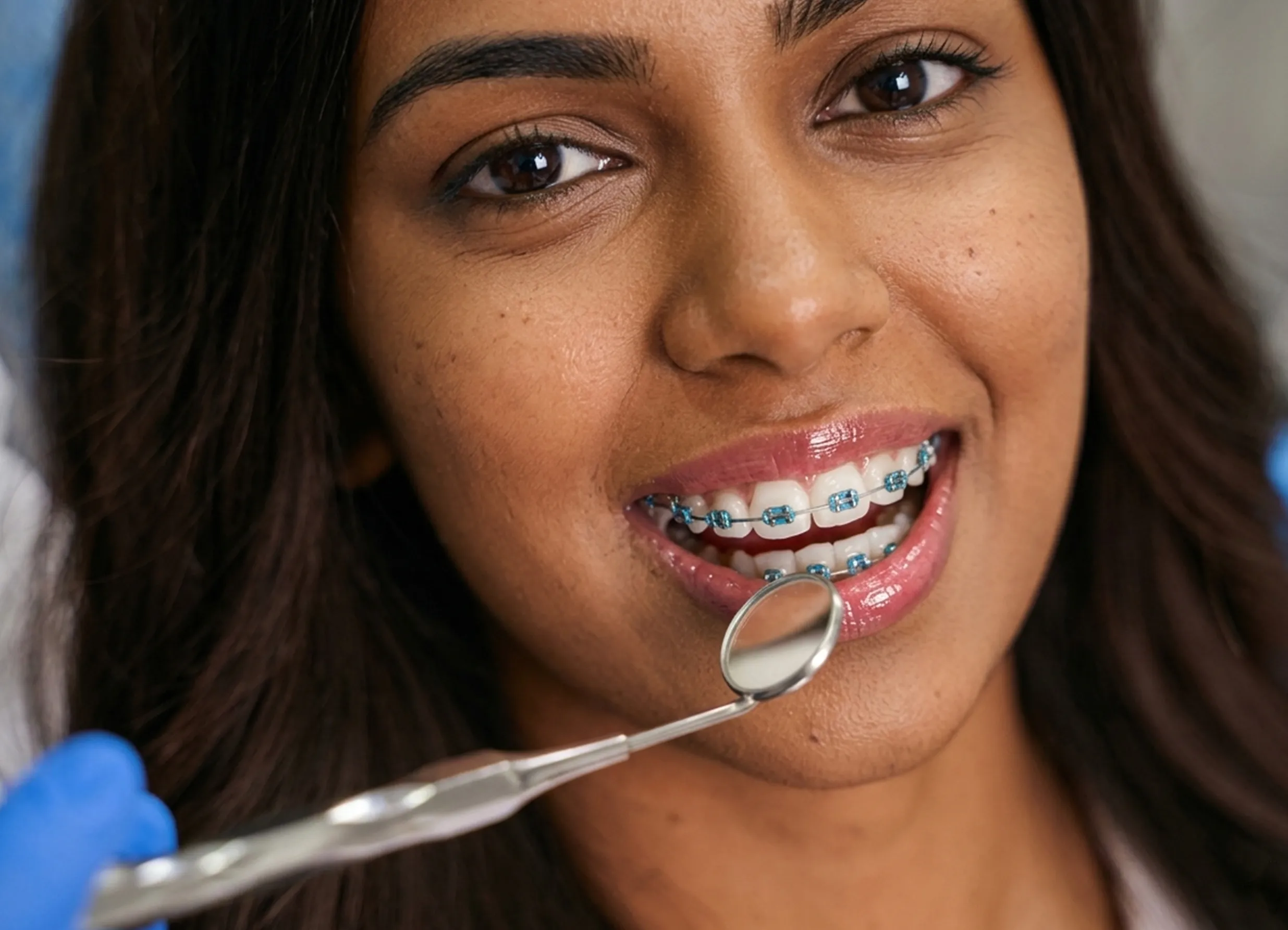
When aligners are not the most suitable option, dentists may recommend alternative orthodontic treatments such as:
These treatments can provide stronger mechanical control for complex tooth movements.
The goal is always to choose the treatment method that delivers the most predictable and stable outcome.
Accurate diagnosis is the most important step in determining whether aligners can correct your dental condition.
At Cayo Dental Hospital, modern digital technology plays an important role in orthodontic treatment planning.
The evaluation process begins with digital intraoral scanning, which creates a highly detailed 3D model of the patient’s teeth.
This scan allows clinicians to:
Digital scanning replaces traditional impressions and provides much higher precision.
Once the digital scan is complete, orthodontic software is used to simulate tooth movement.
Patients can see a digital preview of their expected smile before treatment begins.
This helps dentists determine whether aligners can achieve the desired results.
Modern aligner systems rely on advanced manufacturing processes.
Using high-quality materials and 3D printing technology ensures that aligners fit precisely and apply the correct orthodontic force.
This improves both comfort and treatment predictability.
Orthodontic treatment should be accessible even for patients who live far from the clinic.
Digital scanning centers allow patients to begin their treatment journey without traveling long distances.
Patients can complete the initial steps of treatment through digital scanning centers and remote consultations.
This system reduces travel requirements and allows patients across Sri Lanka to access modern orthodontic treatment.
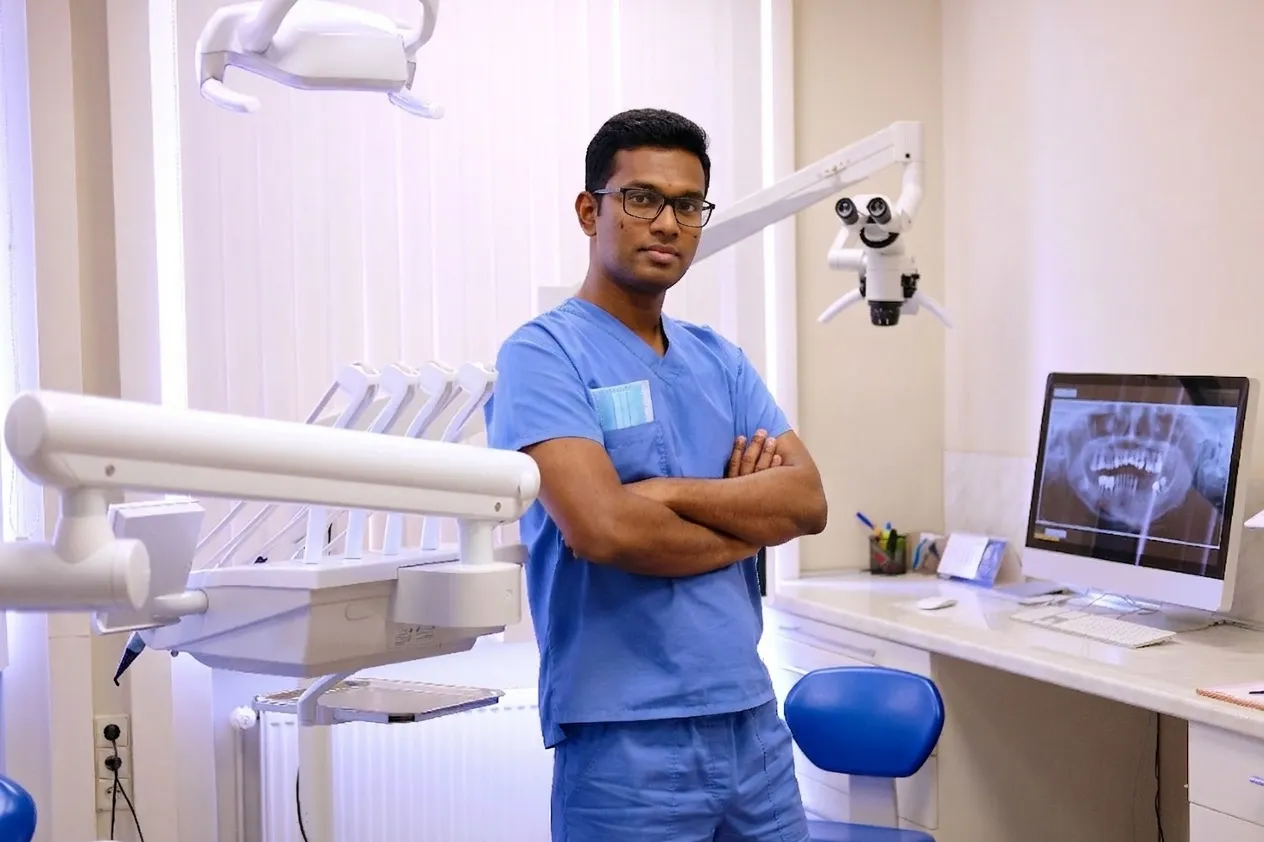
Clear aligners provide an advanced and comfortable method of improving dental alignment.
However, successful orthodontic treatment begins with accurate diagnosis and careful treatment planning.
Patients seeking modern orthodontic treatment in the Central Province can consult specialists at Cayo Dental Hospital to determine the best solution for their smile.
Clinical observations from Cayo Dental Hospital demonstrate predictable outcomes when clear aligners are used for properly selected orthodontic cases.
| Clinical Indicator | Observed Value |
|---|---|
| Aligner patients analysed | ~642 cases |
| Average patient age | ~29.8 years |
| Average aligners per arch | ~22 trays |
| Average total aligners per case | ~38 trays |
| Average treatment duration | ~10.6 months |
| Cases requiring refinement aligners | ~54% |
| Treatment completion rate | ~93% |
These findings are consistent with international orthodontic research showing that clear aligners are highly effective for mild to moderate orthodontic corrections when treatment is carefully planned and patients maintain proper wear compliance.
WhatsApp us